

German Shepherd Dog Care
To be a good dog, German Shepherds need early socialization and continuous training. They need to be stimulated mentally in order to avoid boredom and destructive behavior.
Several inherited diseases cause recurring vomiting or diarrhea in German Shepherds. They need regular veterinary checks and preventative medications.
Avoid vigorous exercise before or after eating to prevent the bloating. If you exercise in hot weather, make sure to give your German Shepherd plenty of shade and water.
Diet
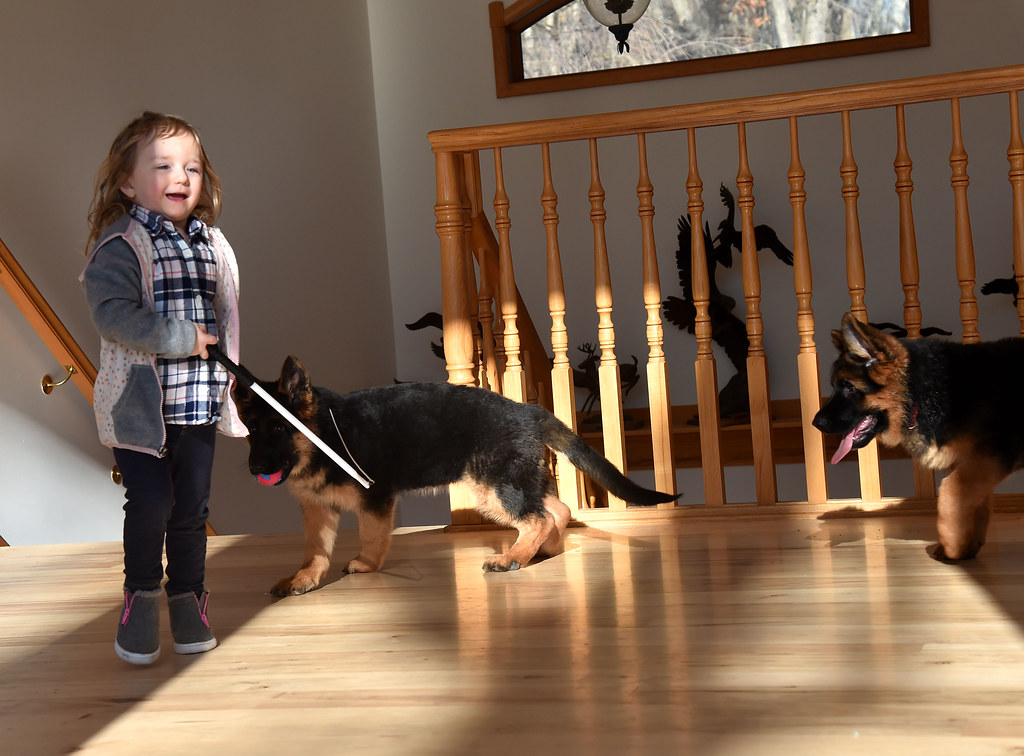
Because of its robust, muscular physique, due to its muscular build, the German shepherd requires a well-balanced diet with plenty of nutrients. It is crucial to select food rich in natural protein like beef, lamb or turkey. The food should also have high-quality carbohydrates like rice and barley, to provide energy for the active German shepherd. The best food is also rich in minerals and vitamins, such as calcium and phosphorus, to ensure healthy joint and bone development.
Exercise, weight management, and a diet high in glucosamine, chondroitin and other nutrients that aid in joint health can reduce the health issues that are hereditary to German shepherds. German shepherds also be afflicted by allergies, which can lead to itchy ears, skin and digestive issues such as diarrhea and vomiting.
A balanced and healthy diet is the basis of a good german shepherd dog health, and your veterinarian can assist you in deciding what type of food to feed your dog. Make sure that your german shepherd is eating the right amount of food each day, based on its size as well as its level of activity, sex, and age.
It's a good idea to avoid eating foods that are harmful for dogs, such as avocados, onions, chocolate and other foods that contain the artificial sweetener xylitol, because they can trigger digestive issues or nutritional imbalances. Also, avoid feeding table scraps or human food, as this can cause stomach upset and weight gain in German shepherds.
schäferhund welpen österreich kaufen as oats, barley and rice are simple for German shepherds to digest and offer energy to play all day. However, avoid foods containing wheat and corn, which are more difficult to digest and provide less nutritional value. Like many large dogs and breeds, the German shepherd is prone to bloating and stomach torsion which is why a diet with a low fat content is advised. It is also recommended to limit the amount of food your German shepherd eats because they can upset the diet. Lastly, always have a bowl of fresh, clean water available to your german shepherd at all times. It will be grateful for the chance to stay hydrated as often as you do!
Exercise
German Shepherds require plenty of exercise to burn off their energy, and prevent boredom and frustration that can result in undesirable behavior such as excessive barking and chewing furniture. They thrive on a regular routine including walking, running and interactive games and mental stimulation.
As dogs that herd German Shepherds are designed for speed and endurance, so they require more vigorous exercise than less energetic breeds such as Bulldogs. To assist your dog to meet their exercise needs, be sure to incorporate a warm-up walk before intense activities and cool down with a slower walk at the end of each session. It is also essential to change the surface you choose for your workouts in order to minimize wear and tear on joints. Beware of running or jogging your dog on hard surfaces such as concrete or asphalt. Instead, try using dirt or soft grass for added health benefits.
It's also important to take care of your German Shepherd's health needs which includes vaccinations. This includes regular visits to the vet to identify potential problems early and avoid them becoming serious. It also includes giving your dog flea and tick prevention medications.
Hip dysplasia is a frequent German Shepherd problem, as are eye diseases and heart disease. These three are typically caused by exposure to UV light, so it is recommended to keep your dog inside during the brightest parts of the day. It is also an excellent idea to have your German Shepherd's eyes checked often, particularly when they are outdoors to determine if there are any genetic or environmental causes of cataracts.
It's also important to avoid strenuous exercise right after eating, as German Shepherds are prone to bloat. A stroll or a game of fetch are ideal after meals to allow your German Shepherd to digest their food without stressing out the muscles in their stomachs and abdomen. If your dog is in a hot climate or tropical area, make sure they have plenty of shade and water when exercising.
Grooming
German Shepherds are outfitted with double coats to help keep them warm during winter and cool during summer. According to the folks over at German Shepherd Corner their outer guard hairs offer shade and ward off dirt, water and insect bites while the soft, fluffy undercoat protects them from heat or cold. Shaving a GSD removes the protective barriers and makes them prone to sunburn, heat exhaustion and insects. It also eliminates the beautiful markings, coloring and leaves them with a dull gray, beige or cream color.
Grooming is a crucial aspect of GSD care. GSDs should be brushed every other day or more often based on their length and how much they shed. This helps reduce the amount of fur dumped around the house and is a great time to bond with your pet.
You should also take the time to check their ears and toes for debris, dirt and infections. GSDs have a tendency to develop yeast infections between their paws, and it is important to wipe these areas with anti-fungal shampoo or soap at least once per week. The nails should be trimmed at least once a week, or more often depending on the growth rate. There are dog-specific nail cutters that are easy to use and won't cause any harm to your German shepherd.
Regular brushing can also aid in identifying fleas and ticks in your German Shepherd. This can also allow them to get comfortable with being brushed and relax during grooming sessions. Metal teeth are superior to plastic brushes at removing hairs from tougher areas of the body, like the neck and shoulders.
GSDs can be nervous when it comes to grooming, especially if you are not used to this. It is possible to invest in an arm that wraps around the neck of your GSD and creates a swaddle. They are available in pet stores and online.
Training
German shepherds are extremely intelligent and trainable, but they require early socialization and consistent training to become well-behaved dogs. Enroll your dog in regular obedience classes as well as home training sessions to reinforce good behavior.
These dogs are very active dogs that require lots of mental and physical stimulation. These dogs were bred as herders and have a strong work ethic. They need to keep busy to avoid boredom. This can lead to undesirable behaviours like chewing and barking things, so make sure to keep your German shepherd occupied with puzzles, toys, and training exercises.
GSDs can be extremely loyal to their owners, and affectionate, but they are also protective of their family. They can also be uneasy around strangers. It's a normal part of their personalities however, you must train them to control this behavior early on. This includes regular physical contact, like petting and cuddling at the time they are puppies. This helps them feel safe and loved and secure, which is an essential foundation for a healthy, happy life as a pet.
Keep your German Shepherd healthy by taking them to the vet regularly for check-ups, vaccinations, and flea/tick prevention. It's also important to feed your dog with a high-quality diet. You can divide the daily allowance between two meals to avoid bloat.
Like all breeds, German Shepherds can be prone to certain health conditions. Heart disease, specifically dilated cardiomyopathy and valvular diseases is a common occurrence in this breed. If you observe any symptoms of heart disease, talk with your veterinarian right away. Treatment could include medications to aid in increasing blood flow to the heart of your dog and diet changes to decrease the amount of sodium they consume.
To ensure that your dog's teeth are in good health, you should also trim your German Shepherd's nails at least twice per month. Cleanse your dog's face and ears with a moist cloth to get rid of any earwax. Bathing your dog is recommended every now and then but not every day because it could strip their coat of the natural oils that keep it soft and shiny.